Home Inspector Exam Guide
How the National Home Inspector Examination works, what it covers, and the scope and safety rules worth knowing before exam day.
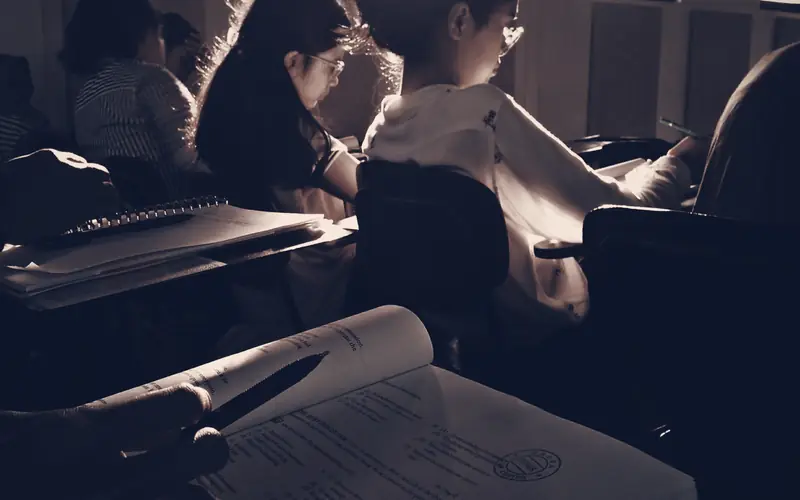
The Examination Board of Professional Home Inspectors (EBPHI) develops the NHIE. Many states use it for home inspector licensing, but rules vary by state, so check with your state regulator first.
Exam Format
According to EBPHI's FAQ:
- 200 multiple-choice questions. 25 of them are unscored pretest questions.
- Four hours to finish.
- The pass point is set by a criterion-referenced process: a panel of subject matter experts sets it, guided by a psychometrician.
- Your score report may show a scaled score from 200 to 800, or simply PASS or FAIL. On that scale, 500 is the pass point.
- The fee is $225 per test in most states and in Canada.
What the Exam Covers
EBPHI lists three domains: Property and Building Inspection/Site Review, Analysis of Findings and Reporting, and Professional Responsibilities. The content outline gives the detail. EBPHI also notes that the exam isn't based on any single association's Standards of Practice.
Our practice bank uses the InterNACHI Standards of Practice for scope and reporting. Radon, mold, lead, asbestos and alarm questions come from EPA and U.S. Fire Administration guidance. It doesn't replace the technical references EBPHI lists.
Scope Rules Worth Knowing
- A home inspection is a non-invasive, visual examination of accessible areas. It is not technically exhaustive.
- Age alone isn't a material defect, even when a component is at or past its normal useful life.
- Roofs are inspected from ground level or the eaves. Walking on the roof isn't required.
- Under the InterNACHI SOP, cooling equipment need not be run when it is below 65°F outside.
- Check water flow by running two fixtures at the same time.
- Report missing smoke and CO detectors, unfilled panel openings, and solid-conductor aluminum branch wiring if readily visible.
Radon Numbers
- EPA recommends fixing the home at 4 pCi/L or higher, and suggests considering a fix between 2 and 4 pCi/L.
- Real-estate tests run for at least 48 hours, with closed-house conditions starting 12 hours before a 2–4 day test.
- Place the device in the lowest level that could be used regularly, at least 20 inches above the floor.
Sources: InterNACHI Standards of Practice, EPA Home Buyer's and Seller's Guide to Radon, EBPHI.